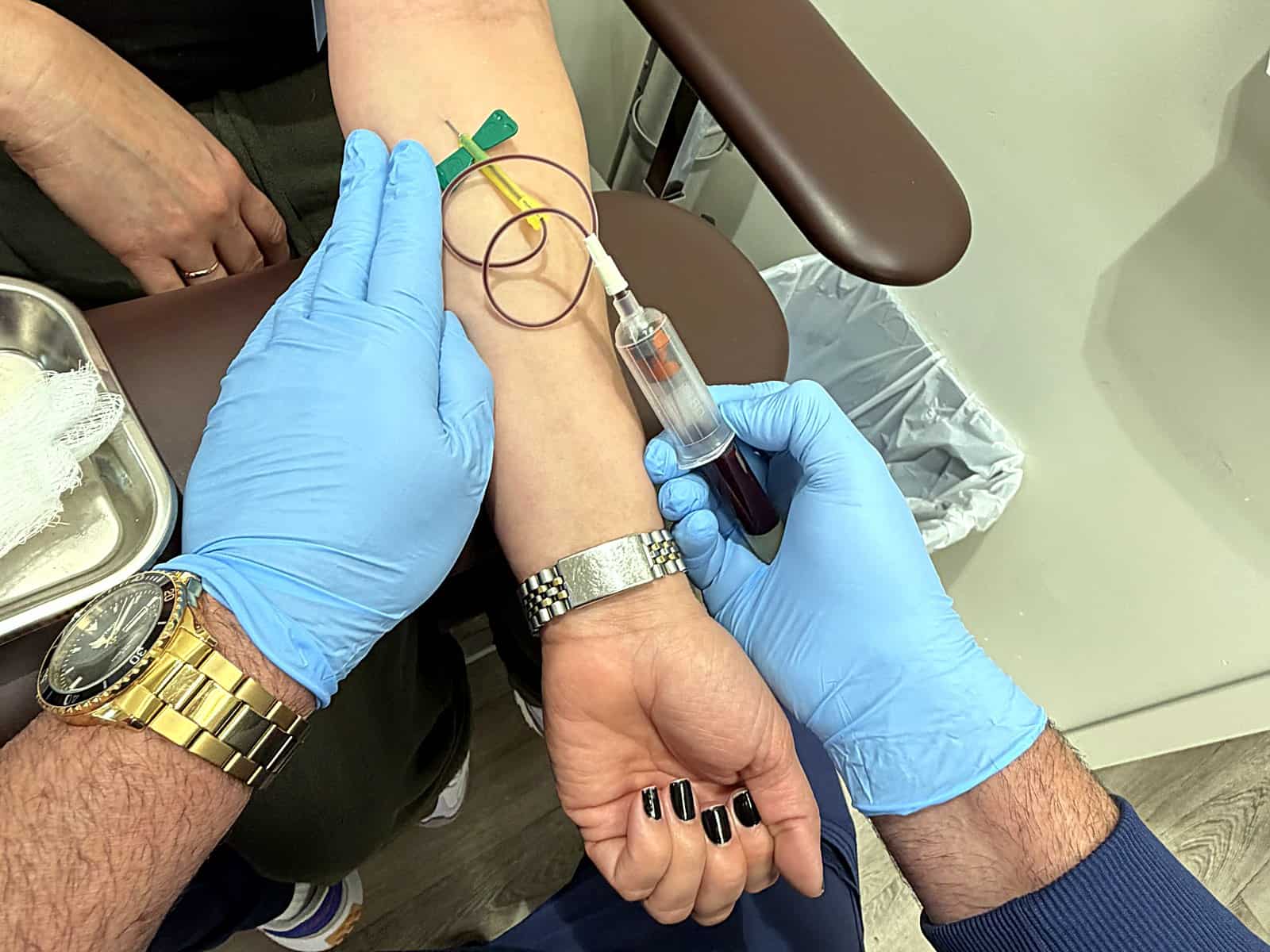
For years, a cholesterol test meant skipping breakfast and showing up hungry. If that is what has kept you from getting checked, here is good news: for most adults, a routine cholesterol test no longer requires fasting. Here is what changed, when fasting still matters, and how to make the test as easy as possible.
What a cholesterol test measures
A cholesterol test, also called a lipid panel, is a simple blood draw. It usually reports:
- Total cholesterol
- LDL, often called “bad” cholesterol
- HDL, often called “good” cholesterol
- Triglycerides, a type of fat in the blood
Together, these numbers help your provider understand your risk for heart disease and stroke, and decide whether anything needs to change.
Why the fasting rule changed
Fasting was required because a recent meal can raise triglycerides for several hours. But research over the past decade showed that for most people, eating beforehand changes total cholesterol and HDL very little, and the overall picture of heart risk stays about the same.
That is why current U.S. heart guidelines say a non-fasting test is acceptable for most adults, especially for routine screening. In practice, that means you can often get tested at the same visit, without planning a separate early-morning trip.
When fasting still matters
Your provider may still ask you to fast in certain situations, for example:
- A previous test showed high triglycerides
- Your provider wants the most precise LDL number for a treatment decision
- The cholesterol test is being drawn together with other tests that do require fasting, such as some blood sugar tests
- There is a strong family history of very high cholesterol or early heart disease
The simplest rule: if no one told you to fast, ask before your visit. It takes a minute and saves a second trip.
If you are asked to fast, here is how
- Usually 9 to 12 hours without food. Many people schedule an early-morning draw so most of the fast happens overnight.
- Water is fine, and it actually makes the blood draw easier. Skip coffee, juice, soda and alcohol unless your provider says otherwise.
- Keep taking your regular medicines unless your provider tells you to hold a specific one. Do not stop anything on your own.
- If you have diabetes, ask your provider how to fast safely, since skipping meals can affect your blood sugar.
- Bring a snack for after the draw.
Tips for an accurate result, fasting or not
- Avoid an unusually heavy or very fatty meal right before a non-fasting test.
- Skip alcohol the night before, since it can raise triglycerides.
- Tell the staff if you are sick or recently changed a medicine. These can affect your numbers.
Make it one visit at PassQual Health
At PassQual Health in Miami Gardens, our on-site medical laboratory draws your blood during the same visit, with no separate lab appointment. Your own provider reviews the results, and many tests come back the same day.
If your numbers come back high, you do not have to figure it out alone. Read our guide to managing cholesterol in Miami Gardens to see what the next steps usually look like.
Not sure whether you need to fast for your test? Call us at 786-677-9922 and we will tell you before you come in. Consultation questions are free.